
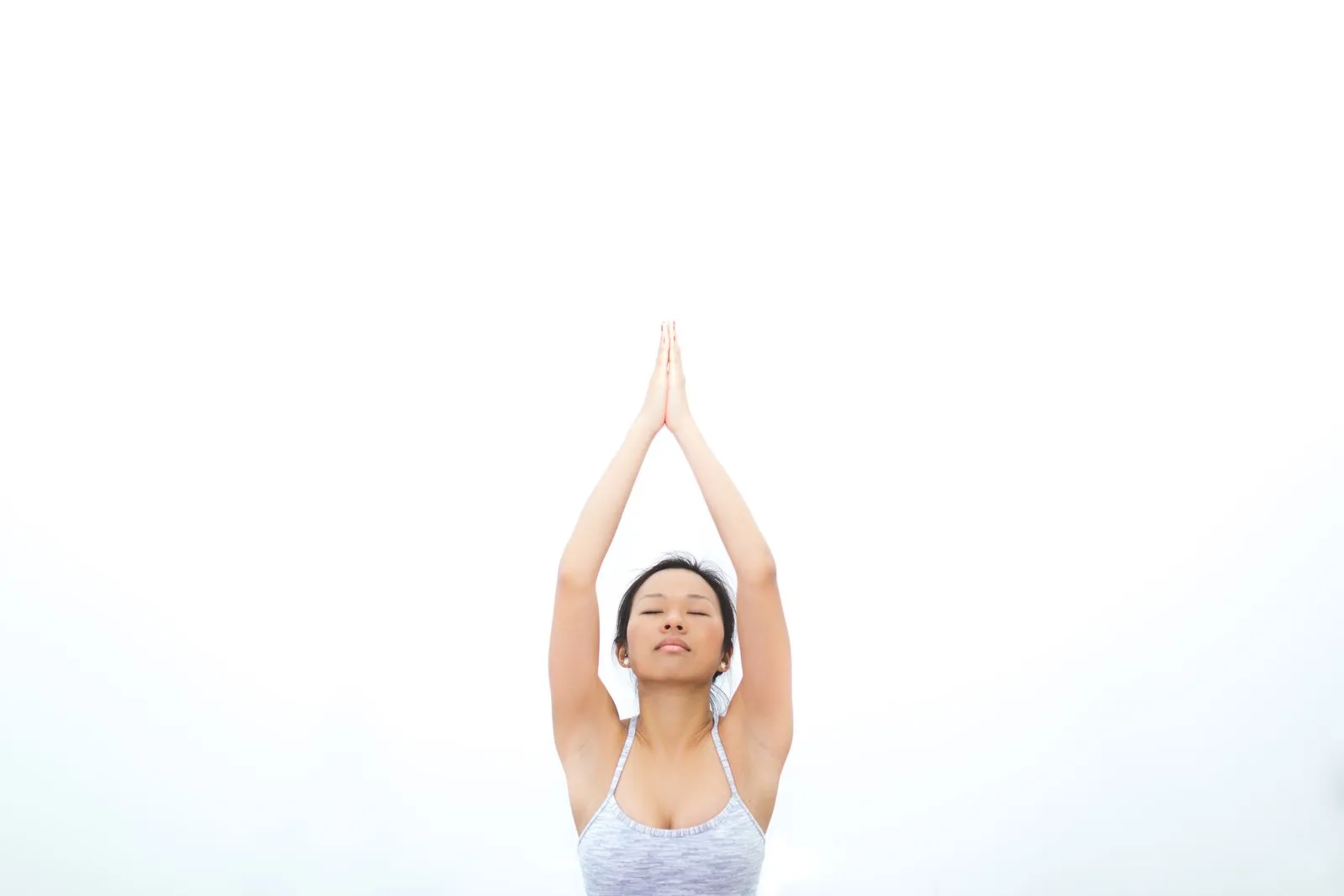
Stress can make it hard to pause, even when you know you need a break. A gentle yoga practice offers a simple way to bring attention back to your body and breath without aiming for perfect poses or intense exercise. A few steady movements and unhurried breaths can create a useful transition between the demands of the day and a quieter moment. Start small, choose what feels comfortable, and let consistency matter more than duration.
Begin With A Comfortable Pause
Choose a quiet spot where you can sit or stand without being interrupted for a few minutes. Let your shoulders rest and notice where your body meets the floor or chair. There is no need to change how you feel. Simply observing your posture, energy, and breathing gives you a clear starting point for a practice that meets you as you are.
Try a brief check-in before a stressful task or after you finish work. Ask yourself whether you feel tense, restless, or tired, then pick one gentle movement to match. You might roll your shoulders, stretch your arms overhead, or slowly turn your head from side to side. Keep the movement within a comfortable range and stop if it causes pain.
Pair Gentle Movement With Breath
Move at a pace that lets you breathe comfortably. For example, raise your arms as you inhale and lower them as you exhale, keeping your knees soft and your shoulders relaxed. You can also try a seated side stretch, moving only as far as feels easy. Linking one movement to one breath gives your attention a steady point to return to when your thoughts wander.
Breathing does not need to be deep or forced to be useful. Let each breath arrive naturally, then see whether your exhale can soften slightly. If focusing on the breath feels uncomfortable, return your attention to the movement or the support beneath you. Yoga is adaptable; you can pause, sit down, or choose a different exercise whenever that feels better.
Build A Routine You Can Keep
Attach a short practice to something already in your day, such as getting out of bed, taking a lunch break, or changing out of work clothes. Start with a few minutes and a small selection of comfortable movements. A routine that fits your schedule is easier to repeat than one that depends on finding a long, uninterrupted block of time.
Keep your expectations modest. Some days, you may feel calmer afterward; on other days, your mind may remain busy. Both are normal experiences, and neither means you have failed. The purpose is to make room for a deliberate pause, not to force a particular mood. If a pose feels awkward or painful, skip it and choose a more supported option.
Carry The Pause Into Your Day
Use small transitions as reminders to reset. Before opening an email, getting into your car, or starting dinner, place both feet on the ground and take one comfortable breath. Notice the next thing you need to do rather than trying to solve the whole day at once. These brief pauses can make a busy routine feel more manageable without requiring special equipment.
If you want guidance, look for a beginner-friendly class where the instructor offers modifications and encourages you to work within your limits. Tell the instructor about injuries or movement concerns before class, and ask questions when a pose does not feel right. At Stillpoint Yoga in Melbourne, you can explore gentle movement at a pace that suits your experience.
A calming yoga routine can begin with a comfortable breath and one simple movement. Keep the practice flexible, notice what feels supportive, and return to it when it fits your day. If you would like help getting started, consider trying a gentle class and choosing an approach that feels right for you.